
When a company offers “air duct cleaning,” what are you actually getting? For many homeowners, the answer is disappointing: a quick pass through the main ducts and nothing more. But your HVAC system is much more than ducts — and a professional cleaning should treat it that way.
Here’s a component-by-component look at what a complete air duct cleaning service covers — and what to ask about before you book.
1. Supply registers and vents
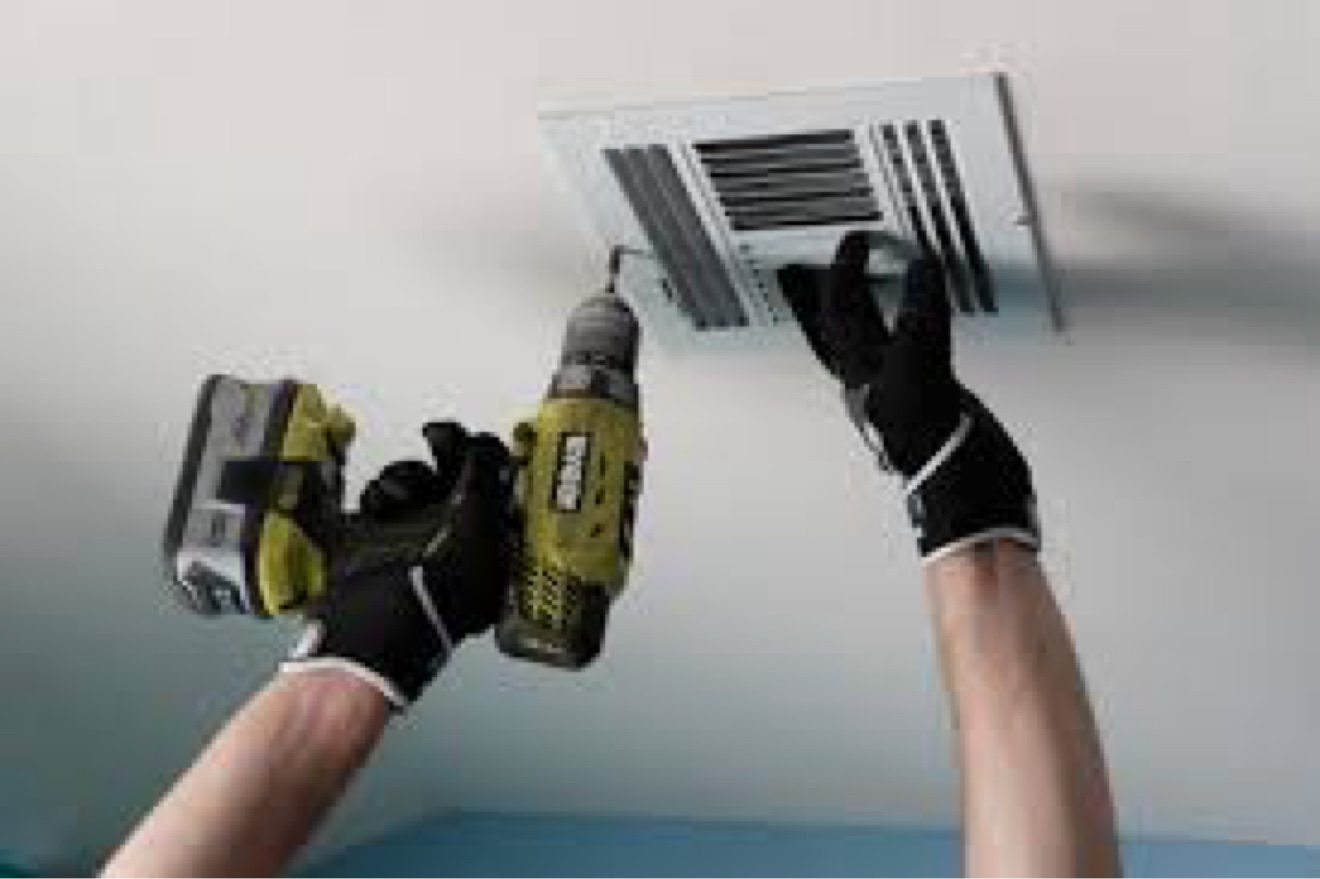
The registers in each room are where conditioned air enters your home — and the first place dust becomes visible. A professional service removes each register, cleans it, and cleans the duct opening behind it.
2. The supply main line (trunk line)
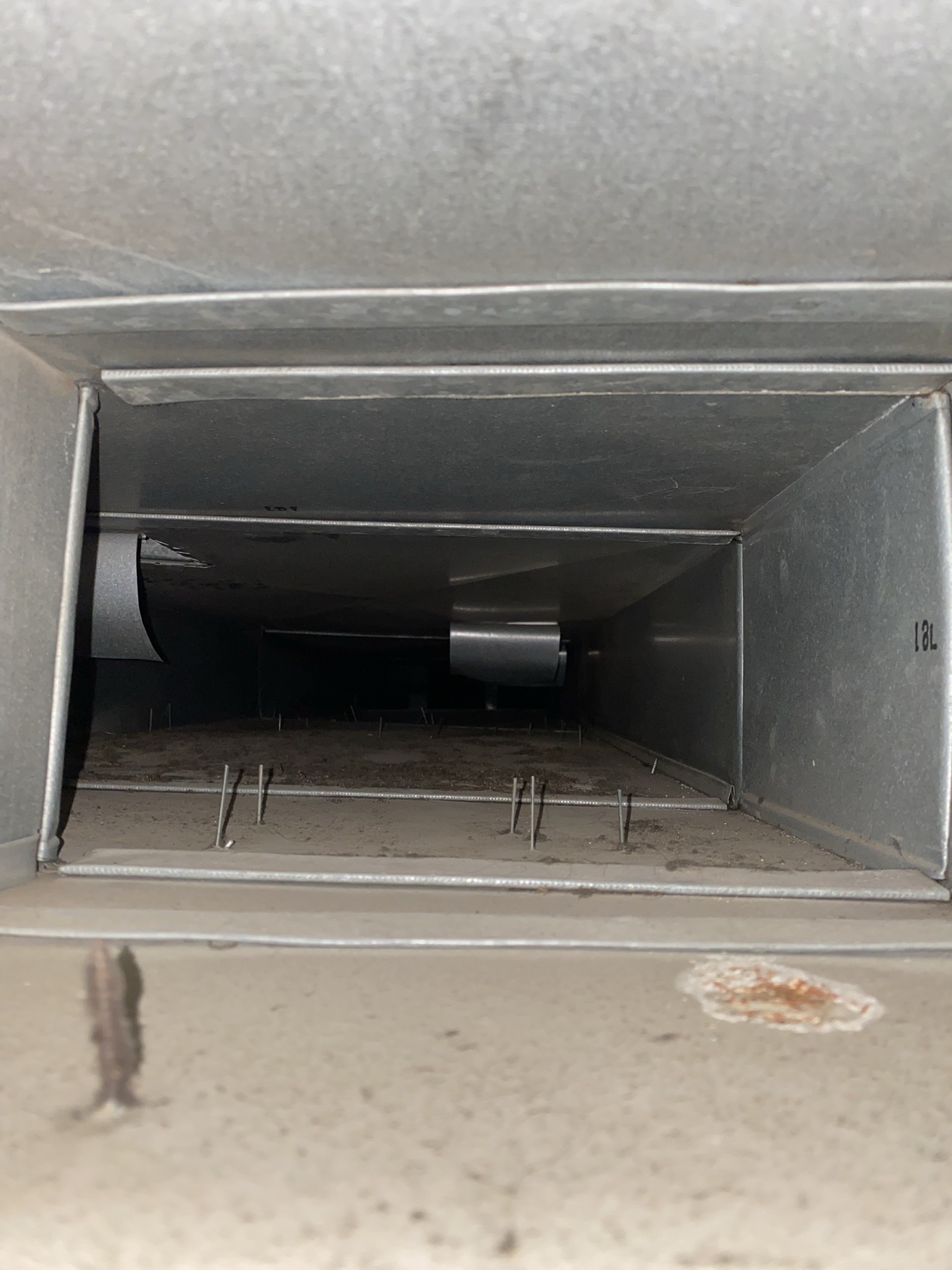
The main line is the highway of your HVAC system, carrying conditioned air from the unit to every branch duct. Because all of your airflow passes through it, it collects the heaviest buildup — and it takes professional negative-air equipment with rotary brushing to clean it properly.
3. Return vents and the return main line
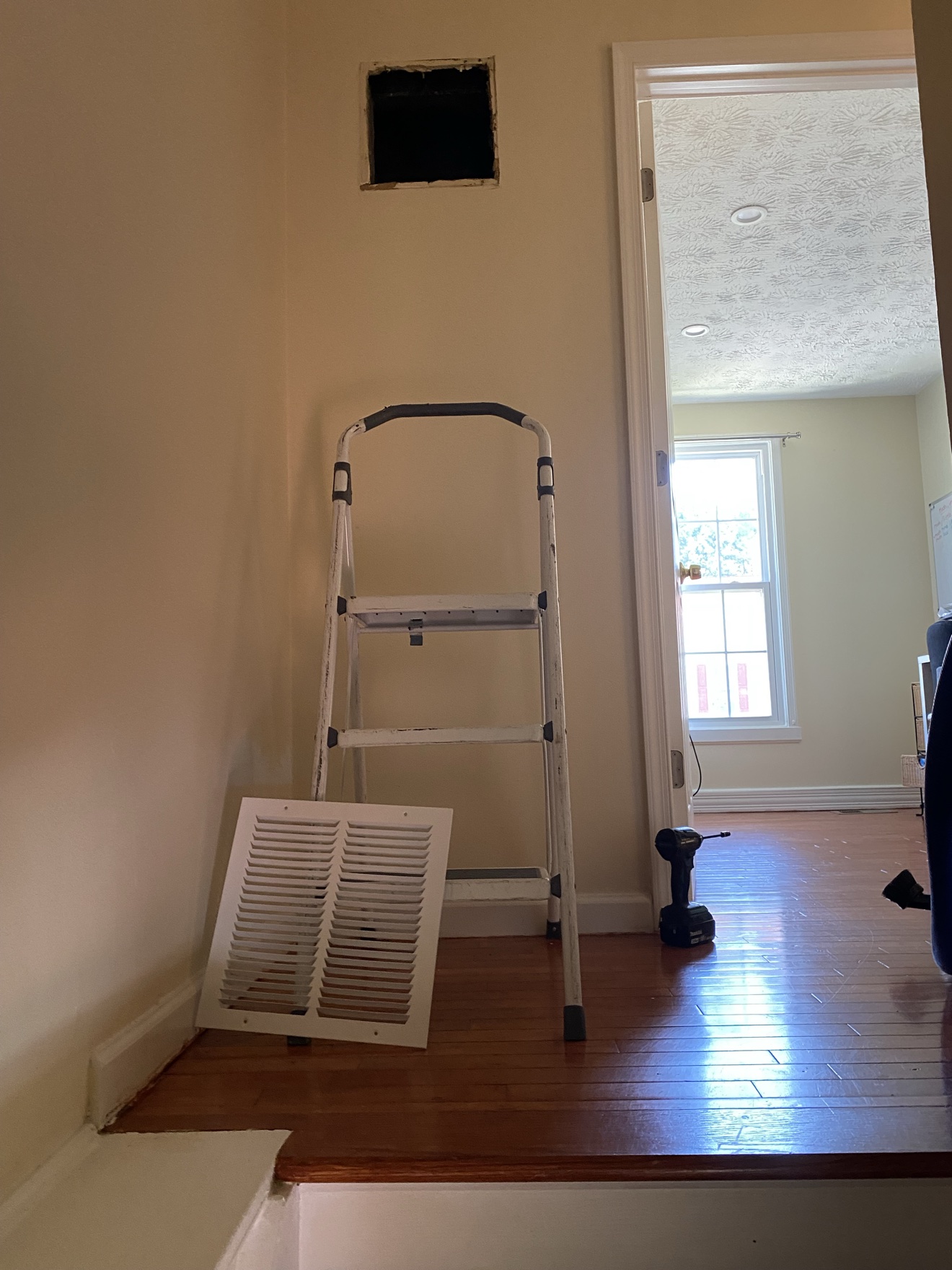
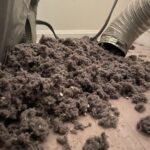
Return vents pull room air back into the system — along with everything floating in it. The return side often collects even more debris than the supply side, since it’s the intake for the whole house. Both the return vents and the return main line deserve the same thorough treatment.
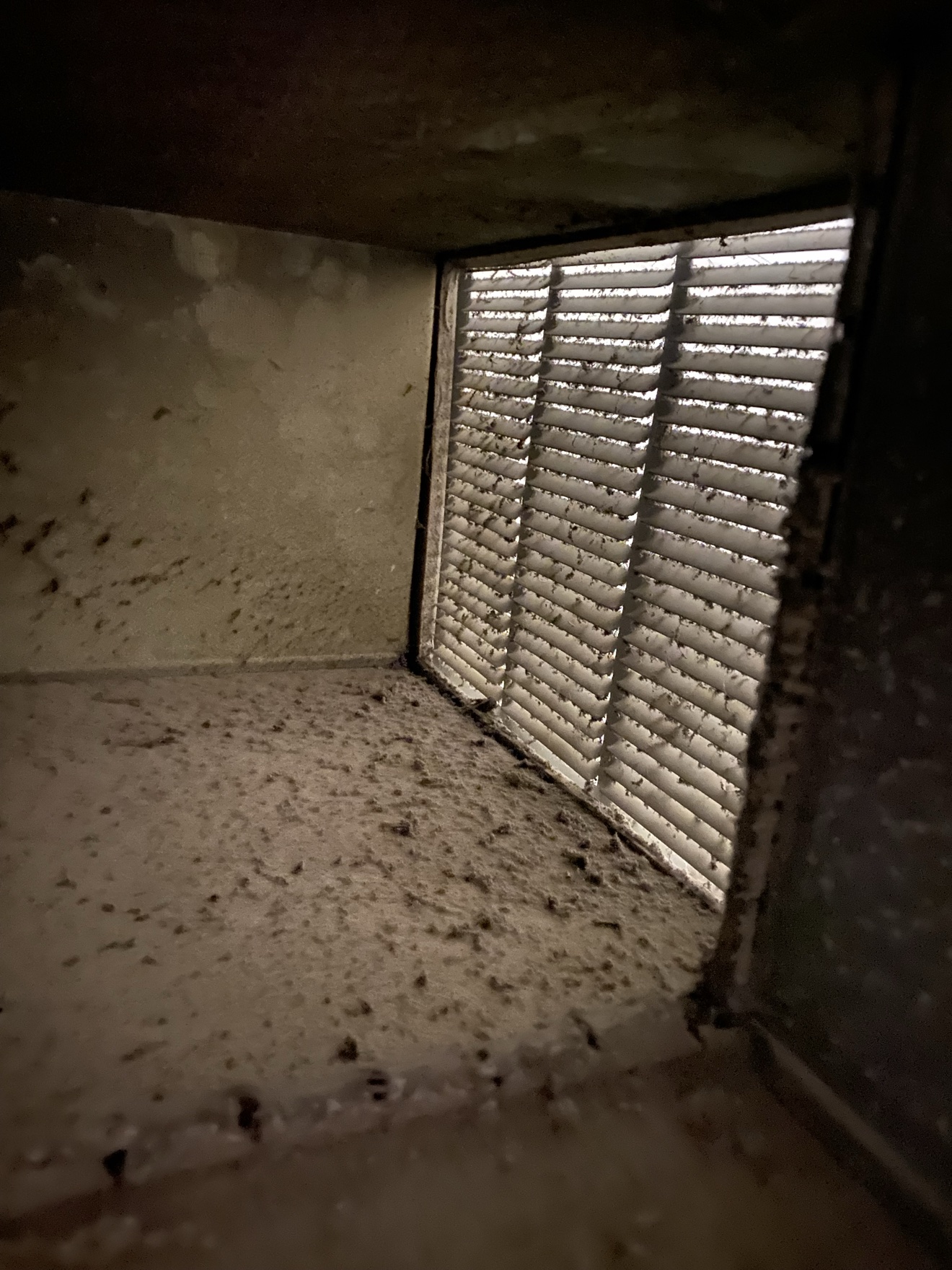
4. Plenums and junction boxes
The plenum and junction boxes connect the main lines to the branch ducts. These wide chambers have slower airflow, which is exactly where heavier dust and debris settle. They’re skipped in most quick cleanings — a complete service includes them.
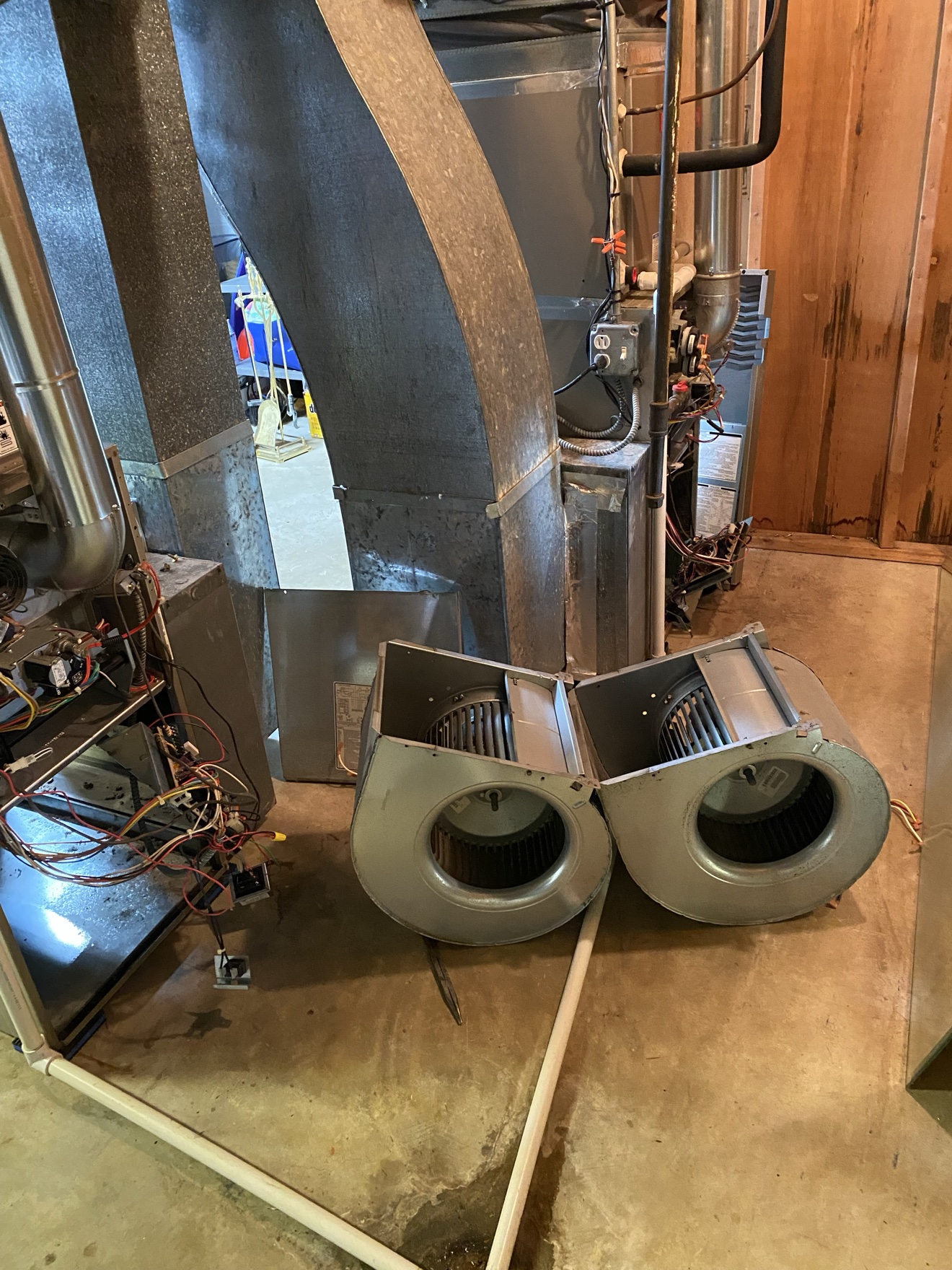
5. The blower motor
The blower is the heart of the system, pushing air through every duct in your home. A dust-coated blower wheel moves less air while working harder. Professional blower cleaning restores proper airflow through the entire system.
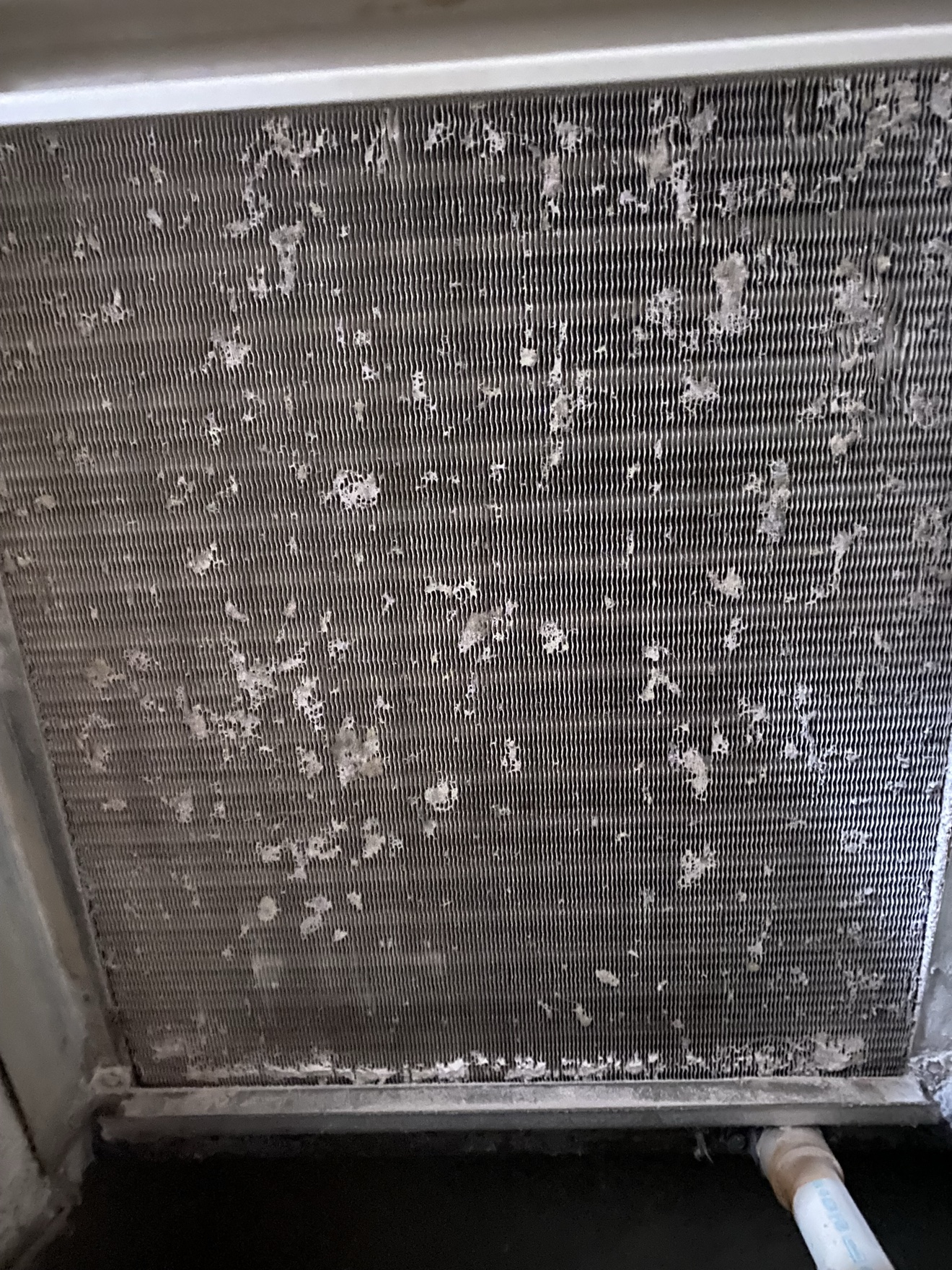
6. The evaporator coil
The evaporator coil cools your air by absorbing heat from it. When it’s coated with dust, it can’t absorb that heat properly — so cooling weakens and your system runs longer to reach the same temperature. Coil cleaning is precision work — and one of the highest-impact parts of the service.
Why it matters before heating season
In the DMV, your system switches from cooling to heating — and then works nonstop through winter. Dust that settled in idle ductwork all summer gets pushed through your vents with the first heating cycles. A complete cleaning before the cold sets in means every component starts the season fresh.
How we price it
Every home is different, so every job is quoted individually. We inspect your system, show you what it actually needs, and quote exactly for that — you only pay for what makes sense for your home.
Call Dr. Duct Maryland at (301) 346-8099 for a free quote. Serving the DMV: DC, Maryland, and Northern Virginia.
Frequently asked questions
How often should air ducts be cleaned?
NADCA, the industry standards body, recommends every 3 to 5 years — and always after a renovation, when construction dust spreads through the whole system.
How long does a full cleaning take?
Typically 2 to 4 hours, depending on the size of the system and the number of components serviced.
Do I need every component cleaned?
Not necessarily. That’s why we inspect first — some homes need the full system, others just need specific parts. You only pay for what your home needs.


Recent Comments